The 6 Keys to Why Bad Layouts Hurt Value More Than Price
Every property can have the “right” price. But no matter how low that price is, a poor layout can destroy its real value. Price attracts attention, but layout decides action. When a space doesn’t function, potential buyers or tenants hesitate and hesitation kills value.
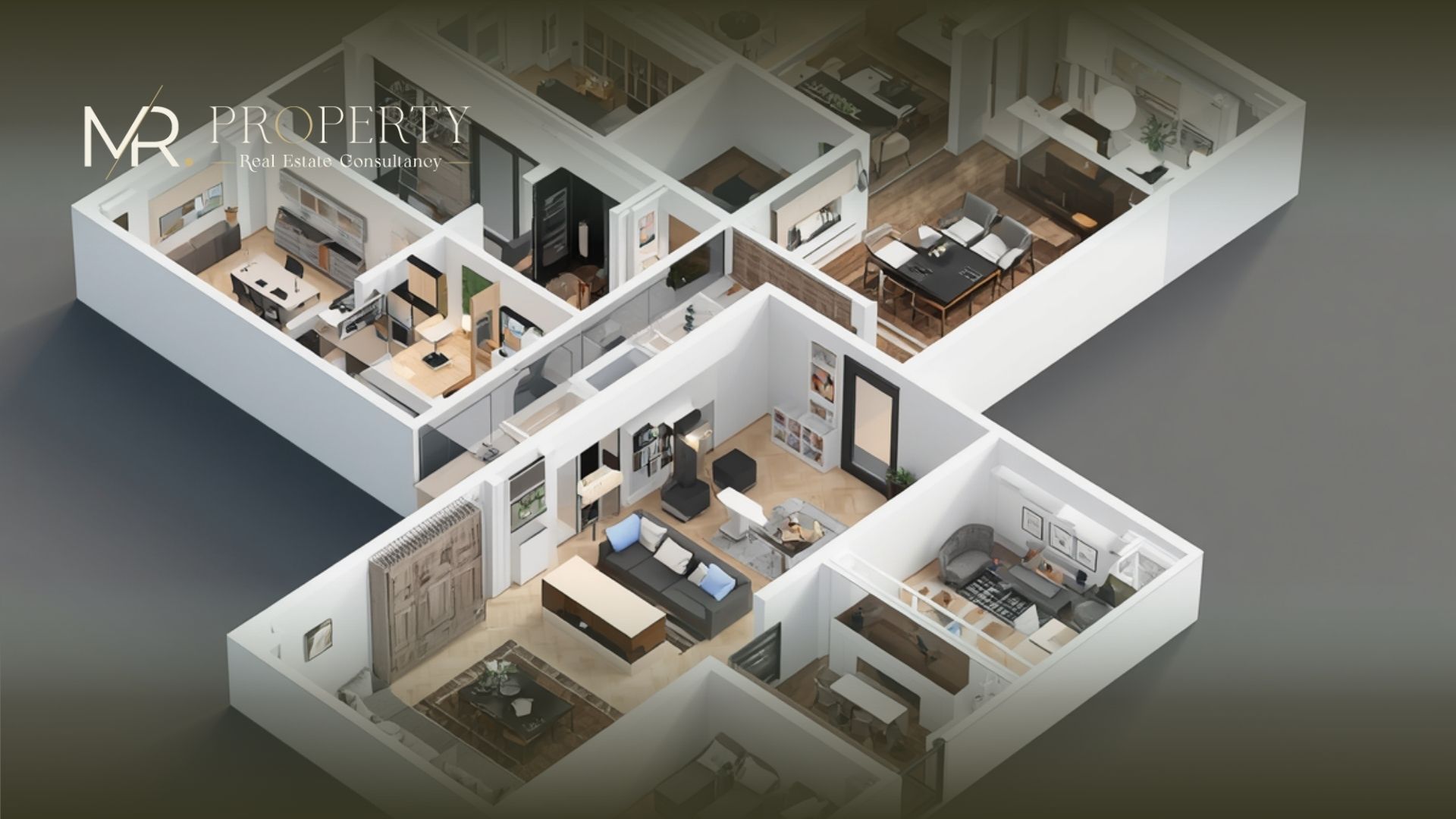
Let’s explore why poorly designed spaces are more damaging than most people realize.
1. First Impressions Are Only Skin Deep
A low price can lure people through the door. But once inside, the layout dictates the experience.
Cramped rooms, awkward corridors, and illogical layouts are immediate red flags, signaling compromises in design. Wasted space such as purposeless corners, kitchens too small for practical use, or inconveniently located bathrooms diminishes a property’s functional appeal. Even if a property appears “affordable,” buyers often subconsciously devalue it when the space simply doesn’t feel right.
In real estate, price sparks curiosity, but layout convinces or repels. And first impressions linger far longer than any number on a sticker.
2. Functionality Drives Emotional Connection
People don’t just buy square meters they buy how a space makes them live.
Open, logical layouts allow families to easily envision the property’s potential for entertaining, relaxing, and daily living. In contrast, fragmented or poorly zoned designs create compromises raising questions like where the dining table fits, whether guests can move freely, or if storage is sufficient. Every awkward corner erodes the property’s perceived value, even when the price appears attractive.
A functional space feels effortless, intuitive, and practical. When it doesn’t, buyers feel frustrated and frustration translates into discounts, delays, or even lost sales.
3. Resale and Rental Potential Take a Hit
Bad layouts directly impact liquidity and long term ROI.
Future buyers and tenants are becoming increasingly selective, willing to pay a premium for spaces that “just work.” Poorly designed properties tend to linger on the market, often forcing sellers to slash prices to generate interest. Cosmetic fixes rarely address deeper issues, as moving walls, redesigning bathrooms, or altering circulation patterns can be costly, disruptive, and sometimes impossible.
Even the lowest price cannot compensate for layout that undermines everyday usability.
4. Psychological Impact of Space
We underestimate how design shapes perception.
People naturally visualize their lives in a property, and layouts that disrupt this flow create stress. Poorly proportioned rooms, confusing circulation, or lack of intuitive zoning weaken emotional attachment. As a result, buyers may reject a property on an emotional level before even considering the price, because their subconscious signals that it simply won’t work for them.
Price is a number; layout is the feeling. And feelings often outweigh calculations in real estate.
5. Cost vs. Value: Why Developers and Investors Should Care
Poor layouts aren’t just a buyer problem; they hurt developers and investors too.
Cutting corners on design to save construction costs often backfires while properties may sell quickly at launch, long term demand and resale value usually suffer. Smart layouts, featuring functional kitchens, clear circulation, ample storage, and open living spaces, consistently attract buyers, tenants, and higher prices.
Even mid market or affordable properties benefit from thoughtful design; sometimes a small adjustment, like relocating a wall, reconfiguring a corridor, or rethinking the entrance, can dramatically boost perceived value.
Investors who overlook layout risk buying a property that underperforms for years, no matter how cheap it initially seemed.
6. Key Takeaways for Buyers and Sellers
Price may catch attention, but only a functional, thoughtful layout keeps it. Don’t focus solely on square meters, walk the space, test the flow, and imagine everyday living.
Poorly designed properties rent more slowly, sell with difficulty, and often require costly modifications. For developers, prioritizing flow, proportion, and functionality pays long term dividends, often far outweighing short term savings on design.
For buyers, the key is to choose properties that work for real life, not just for Instagram worthy photos.
When space doesn’t work, value doesn’t hold. Price is a temporary magnet but layout determines longevity.
MR PROPERTY insight: Before committing capital, consider whether a property’s layout supports real living or just looks good in pictures. Because the way space functions is worth far more than the number on the price tag.