The Ultimate Guide for Cross-Border Buyers in Istanbul: Everything You Need To Know!
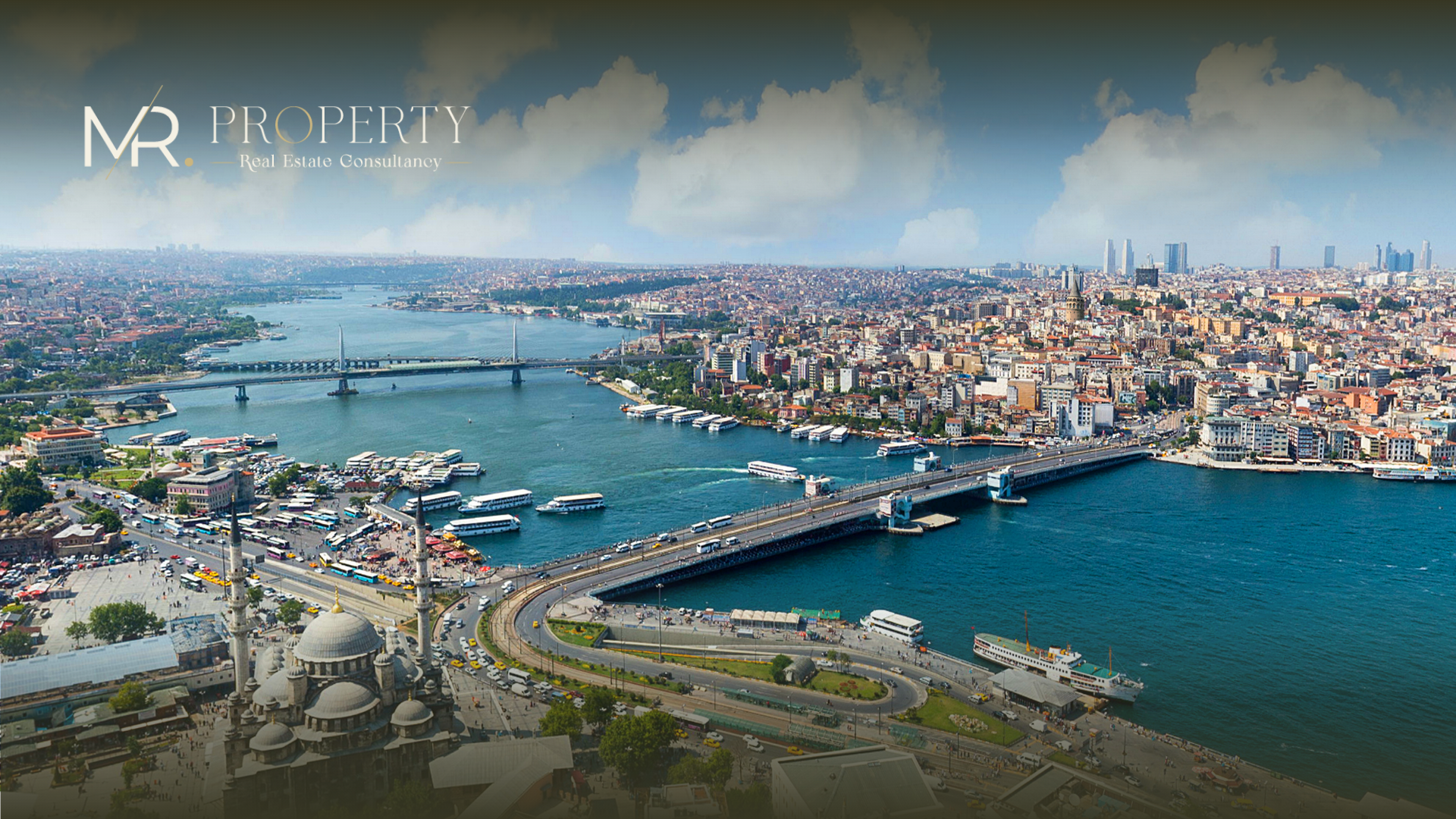
Istanbul is one of those cities where contrast is normal. You can stand by the water looking at historic mansions, then be ten minutes away from brand-new towers and business centers. Old industrial areas turn into cultural districts quietly, without noise, without hype. That mix is exactly why so many international buyers keep looking here.
For cross-border buyers and families relocating, Istanbul offers real upside. Price growth, steady rental demand, and clear programs like residency and citizenship by investment. But opportunity alone isn’t enough. Without a process, it’s easy to make expensive mistakes. This guide exists for one reason: to help buyers slow down, think clearly, and protect their capital.
This is not about listings or sales talk. Property here should be treated like an asset, not a feeling. When decisions are structured, Istanbul real estate can support long-term returns, lifestyle stability, and legal eligibility. When decisions are rushed or emotional, risk shows up very quickly.
Start With the Right Question
Most buyers start with a simple question:
“Do I like this apartment?”
That’s normal, but it’s the wrong place to begin.
The real question is whether the property can actually do what you need it to do. Rental income, long-term growth, relocation security, or citizenship eligibility all require different choices. A unit that works well for short-term rentals might be weak on resale. A family-focused project with local demand might not look exciting, but can perform better over time.
Time matters too. A three-to-five-year plan often depends on infrastructure growth or area transformation. A longer hold usually favors established neighborhoods where demand already exists. Clear limits like minimum net yield, how involved you want to be, and legal safety help keep decisions rational instead of reactive.
Why Location Really Matters
In Istanbul, location decides almost everything.
Marketing images catch attention, but infrastructure keeps value alive. Metro access, main roads, and daily convenience all affect how fast a unit rents and how easily it sells later. Properties connected to transport and daily demand tend to survive market cycles much better.
Neighborhood behavior matters as well. Waterfront areas, business districts, and cultural zones all move differently. Prices, rental profiles, and buyer demand are not the same. Knowing how an area actually behaves is more important than how it looks online.
Legal and Financial Basics You Can’t Skip
Legal checks are not optional.
A clean title deed without debt or dispute protects ownership and resale later. Government valuation is especially important for citizenship and financing and often matters more than advertised prices.
How you pay matters too. Funds should move through official banking channels with proper documentation. Informal shortcuts can look convenient but often cause problems later.
For off-plan projects, contracts must be notarized, permits verified, and delivery timelines realistic. Buyers should also understand the full cost of ownership: taxes, VAT rules, service fees, maintenance, and currency exposure. Returns only make sense after these are counted.
Developer Track Record Matters
A developer’s past tells you more than any brochure. Completed projects, actual delivery history, and owner feedback give real signals. Financial structure, construction insurance, and permit clarity reduce execution risk.
After-sales support is also critical, especially for overseas owners. Management, rental services, and warranty coverage should be clear from the beginning, not discovered later.
Rental Reality and Exit Thinking
Rental numbers should always be conservative. Net yield after vacancies, management costs, utilities, and taxes is what matters. Short-term rental zones can perform well seasonally but carry regulation and turnover risk. Central areas often offer quieter but more stable income.
Exit planning should start on day one. Liquidity depends on demand, comparable sales, and how easy the unit is to explain to the next buyer. If you wouldn’t buy it again later, that’s a warning sign.
Due Diligence Is a Mindset
Good due diligence isn’t a checklist.
It’s making sure everything lines up before committing. Legal status, payment compliance, construction progress, developer reliability, and realistic numbers all need to agree. Citizenship routes especially leave no room for shortcuts.
Istanbul rewards buyers who stay disciplined. The advantage isn’t finding the nicest looking unit. It’s staying structured when others rely on emotion. When legal clarity, realistic numbers, and location logic come together, property stops being a gamble and becomes an asset.
If you’re reviewing a specific area or project and want to understand how it performs beyond marketing, you can request a focused assessment. We look at legal standing, real rental behavior, and exit potential so decisions are based on facts, not assumptions.
Contact MR PROPERTY for a private consultation before committing to any purchase.